
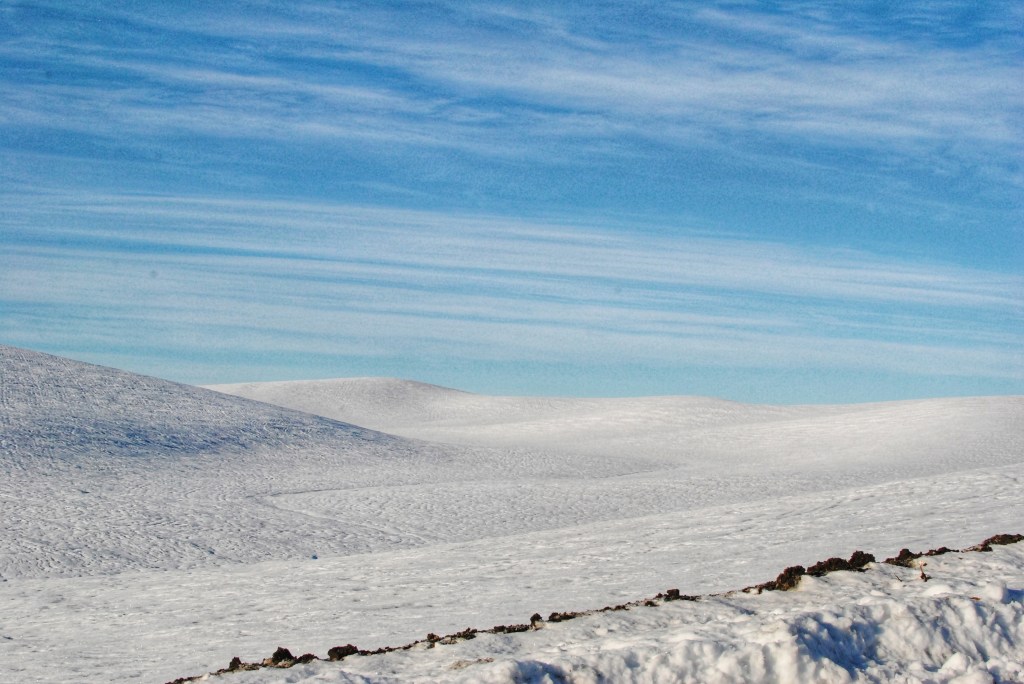
I do a lot of thinking about seasons.
As I write this, it’s mid-February. My son is in California visiting his cousins. The temperatures there are in the upper 70s. Here in North Idaho, we’re experiencing our own heatwave with temps in the low 50s. It feels like the beginning of spring.
I’m curious how he’s liking the warm weather. After all, it’s what he’s been accustomed to, having lived his whole life, up until the past eight months, in California.
I am relishing the seasons here in North Idaho. The actual four seasons.
Growing up in New England, I took four seasons for granted. It was the background rhythm of my life. At the end of every sticky, humid summer I looked eagerly toward autumn and the changing trees. I impatiently watched for any sign that the maples and oaks were changing color (a spectacular time in Connecticut, usually mid-October).
Snow arrived sometimes by Thanksgiving, definitely by Christmas. I hoped for a white Christmas. By March, I watched for the temps to start climbing out of freezing. Spring in New England is short and haphazard, bringing both ice storms and 75-degree days. Then back to sticky, humid summer.
(I’m not a fan of summer. Probably something to do with cleaning houses with my mom during every summer break. Three houses a day. Most of the time the owners did not leave the air conditioning on. Usually, I was dripping by the end of each house. And we didn’t have AC in our third-floor apartment. I’ve had enough summer for a lifetime.)
I lived for fifteen years in California where there are two seasons: Cool and Wet (which lasts about three months, in a good year) and Hot and Dry. It generally doesn’t rain from March until the following December. When my body was expecting cooler temps in the “fall”, we were still having 90-degree days. There are a few trees that change from green to yellow, but not until late November. “Winter” is a few weeks of rain and 50-degree days. Nights could sometimes bring 30-degree lows with frost in the morning. My kids would scrape it off the deck to make “frost men”.
Christian circles like to use the phraseology of seasons. It’s the idea to have hope that your circumstances will change. But that starts to lose its meaning if you don’t actually experience seasons. You know conceptually what seasons are, but experiencing them on a daily basis makes you really know them. I’m not sure if everyone needs seasons, but I need them.
When it’s bitter cold and I can’t even walk to the mailbox across the street without gloves and a hat, I don’t have to despair. I remember the tulips and daffodils of April, and I know warmer days are coming. When it’s 80-degrees in July and I’m enjoying a carefree day at the pool with my kids, I can fully embrace the moment because I know soon enough, I’ll be searching the bins for mittens and boots. It’s hard to enjoy the moment in a place where you know the season really isn’t going to change. It’s still going to be hot in four more months, probably hotter.
I can enjoy the calm and peaceful season that I’m in because there is probably a challenging time just around the corner. Likewise, when I’m going through a rough spot in parenting one of my children, I know it will get better. A time of rest will come. The hard won’t last forever.
Now there is snow forecasted for later next week, so I guess this isn’t true spring after all. But I know that spring will eventually come.
 Autumn's Writing