
Last fall, our family took a road trip from our home in North Idaho to visit family in California. Over two days of driving, we stopped in approximately 387 public restrooms. Okay, maybe not that many, but it felt like it.
My 8-year-old daughter was adopted from foster care and was diagnosed with sensory processing disorder (SPD) when she was 3. SPD is when your brain has trouble processing information related to the senses. So sounds can be extra loud, lights extra bright, and smells overwhelming.
Your child may have a sensory processing disorder if you notice they clap their hands over their ears if they see an object that makes a loud sound— even if it’s not making a sound. My son would cover his ears whenever he saw a motorcycle or a hot rod car because he knows how loud they are when they start up. Some kids may purposely fall on the floor or crash into objects if they may have a need for more sensory input over their bodies. Some may hate to be swung on the playground swings, or conversely, some crave more and more swing time.
A public bathroom is a sensory nightmare for kids with SPD. Think about it: you walk in and there are toilets flushing, loud music, and often a fan. This is chaos for hypersensitive ears and a brain that has trouble processing all that input. Then you close the door on your stall, and the toilet automatically flushes before you’ve even done your business. You’re startled and shaken, and then you have to navigate using the toilet. Then it’s time to wash hands. If you can make the automatic faucet work, it often shoots water out like a jet, spraying mist all over. Then there’s the electric hand dryer that goes off if you even look at it.
I’ve learned a few tips over the years while helping my daughter with SPD navigate the restroom experience:
Try Noise-Canceling Headphones

Headphones can be a huge help for kids with a hard time with the loud and sudden noises that come with the public restroom experience. We’ve had a lot of success with the Snug brand—they fold up small enough to be tossed in a purse; better yet, pack your child their own sensory backpack with tools that’ll help them navigate the day.
Cover The Toilet Sensor

I once read about a mom that carried post-it notes in her purse to put over the toilet sensor so it wouldn’t flush until her child was ready. I thought that was brilliant. I can’t fit another thing in my purse, so I use toilet paper to drape over the sensor. For those flat sensors on the wall, just moisten a tiny bit of TP and stick it on the sensor. Voilà! No more flushing.
Consider Skipping Hand Washing
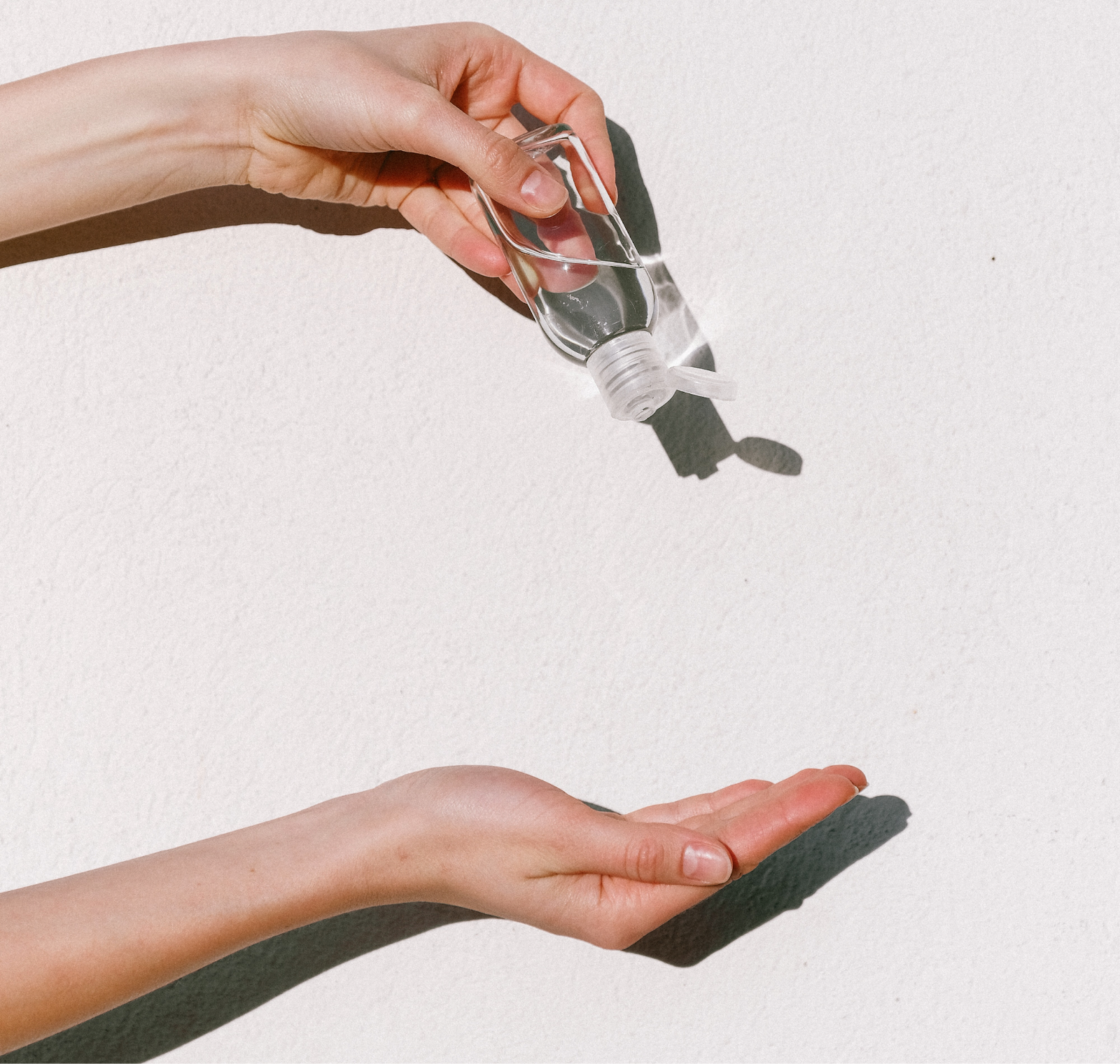
No, seriously, hear me out. By the time you’re ready to wash your kid’s hands, they are likely just done with the whole restroom experience and just want to escape. (There have been times my daughter literally runs out of the stall and out the restroom door screaming, so we definitely skipped hand washing). I keep sanitizer and wipes in my purse and the car when we just can’t deal with the sink experience.
Divide and Conquer
If possible, try to take the child into the restroom alone. If an older sibling or spouse can wait outside with the other kids, you can focus your attention on the sensory kid and the process may go a lot smoother.
There is no cure for sensory processing disorder, but supporting the person who struggles with it can make their life a lot easier. Hopefully, these tips are helpful!
 Autumn's Writing